Everyday Money: Simple Finance Explained
-
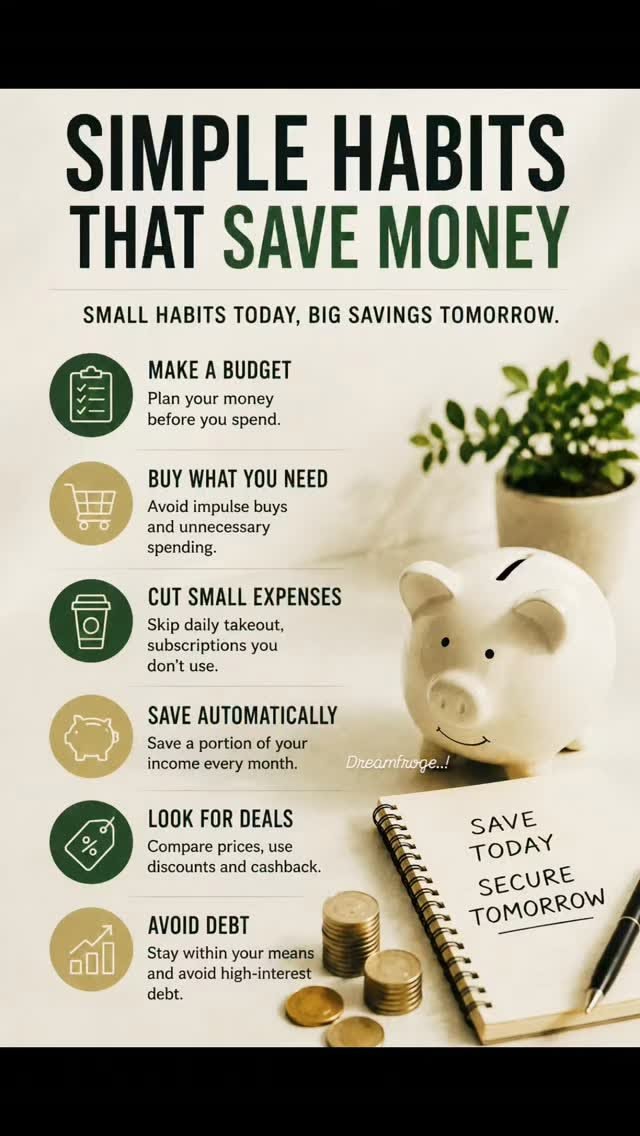
How to Start Saving Money When You Have Very Little Left Each Month
Saving money can seem almost impossible when most of your income is already being used for everyday expenses. You may reach the end of the month and wonder where all your money went. After paying for housing, food, transportation, bills, and other necessities, there may not seem to be much left to save. However, saving…
-
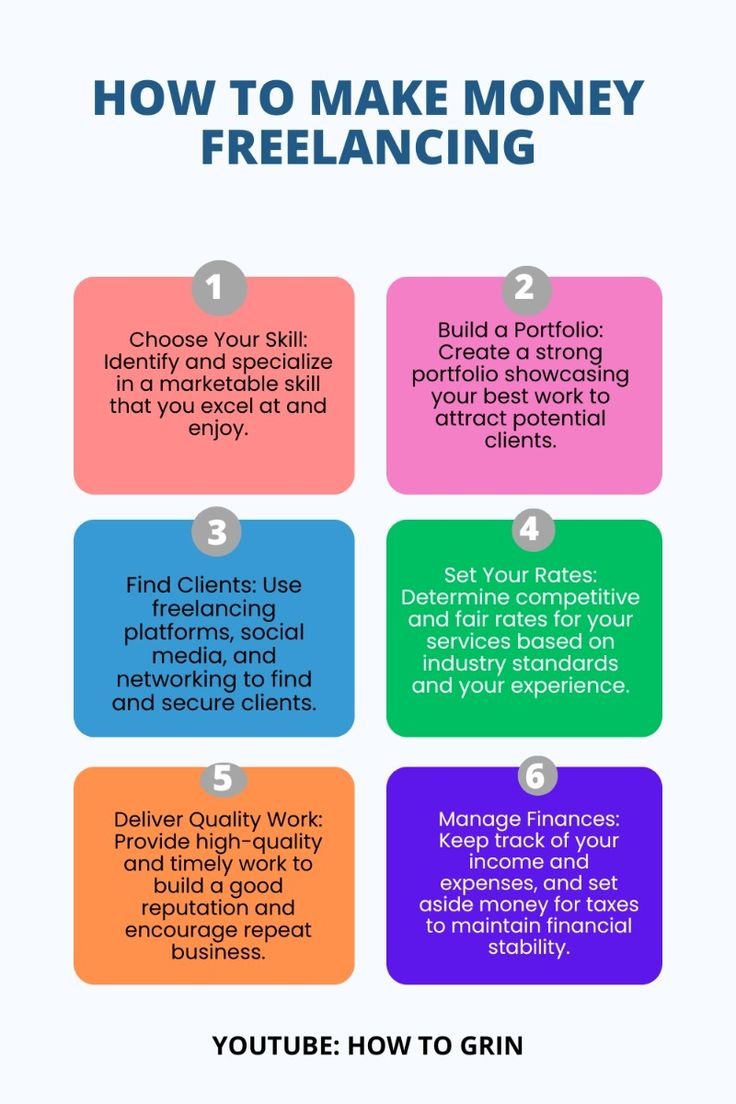
How to Manage Money as a Freelancer or Self-Employed Worker
Managing money can be more challenging when your income doesn’t arrive in the same amount every month. Freelancers, independent workers, consultants, creators, and other self-employed people may have months with strong income and other months that are much quieter. Without a regular paycheck, it becomes especially important to create a system for managing income, expenses,…
-
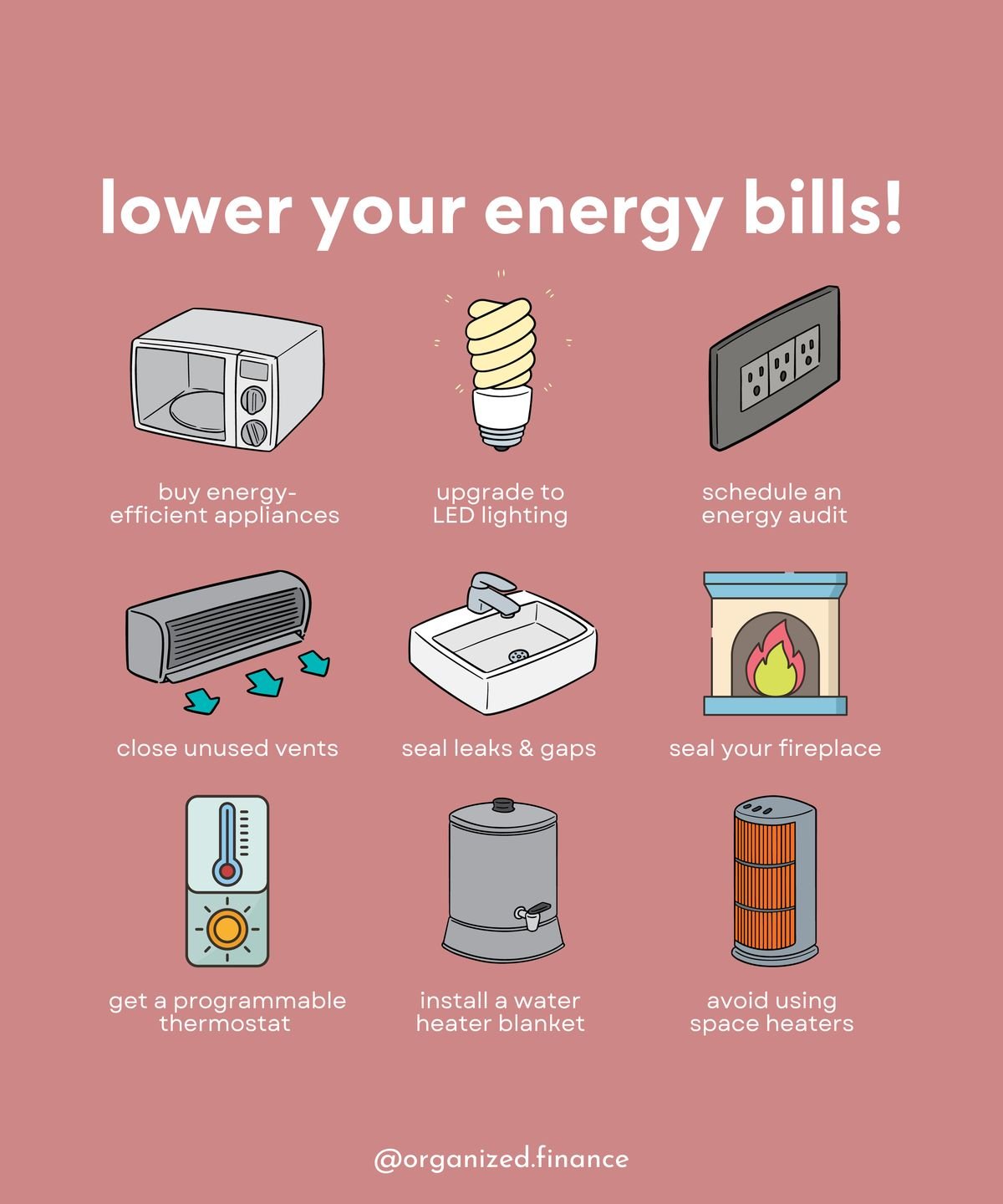
How to Reduce Household Bills and Lower Your Monthly Expenses
Household bills can take up a large portion of a monthly budget. Housing, electricity, internet, phone services, insurance, subscriptions, and other recurring expenses can gradually add up. The good news is that reducing monthly expenses doesn’t always require major lifestyle changes. Sometimes, small adjustments to recurring costs can create meaningful savings over time. The key…
-
How to Save for a Large Purchase Without Going Into Debt
Saving for a large purchase can feel difficult when the price is much higher than what you normally spend. Whether you’re planning to buy a new computer, replace an appliance, purchase a vehicle, pay for education, or prepare for a major trip, having a clear savings plan can make the process much easier. One of…
-
How to Create a Weekly Money Routine That Keeps Your Finances Organized
Managing money doesn’t have to mean spending hours studying spreadsheets or checking your bank account every few minutes. A simple weekly money routine can help you stay aware of your income, expenses, savings, bills, and financial goals without making personal finance feel overwhelming. Many financial problems develop because small things are ignored for too long.…
-
How to Set Financial Goals and Actually Achieve Them
Having financial goals can make managing money much easier. Instead of simply trying to “save more” or “spend less,” you have a clear idea of what you are working toward and why it matters. A financial goal could be something as simple as saving for an emergency fund, paying down debt, preparing for a large…
-
How to Recover Financially After a Spending Spree
A spending spree can happen surprisingly quickly. You may make several impulse purchases, take an expensive trip, go out more than usual, or take advantage of too many sales and promotions. Then you check your bank account and realize that you spent far more than you intended. Although overspending can be stressful, a spending spree…
-
How to Recover From a Bad Month of Spending
Almost everyone has a month when spending gets out of control. Maybe you had several unexpected expenses, went on a shopping spree, ate out more than usual, or simply stopped paying attention to your budget. When you look at your bank account at the end of the month, the numbers may be disappointing. The good…
-
How to Recover After Overspending
Overspending can happen to almost anyone. You may have had an expensive month, made several impulse purchases, gone over your credit card limit, or simply lost track of where your money was going. While realizing that you have overspent can be stressful, it does not mean your finances are permanently damaged. The most important thing…
-
How to Get Your Finances Back on Track After Overspending
Overspending can leave you feeling frustrated, anxious, or unsure about what to do next. Maybe you spent more than planned on shopping, dining out, entertainment, travel, or unexpected expenses. Whatever the reason, one bad spending period does not have to derail your long-term financial goals. The key is to respond quickly and create a realistic…
Got Anymore Question?