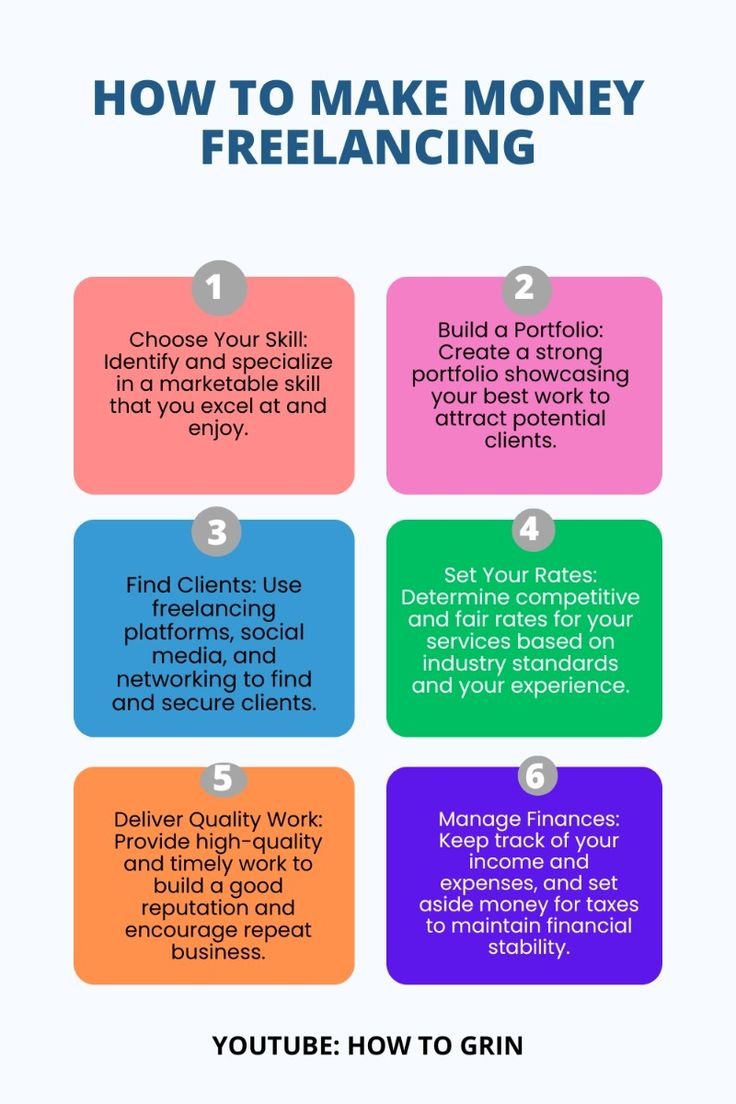
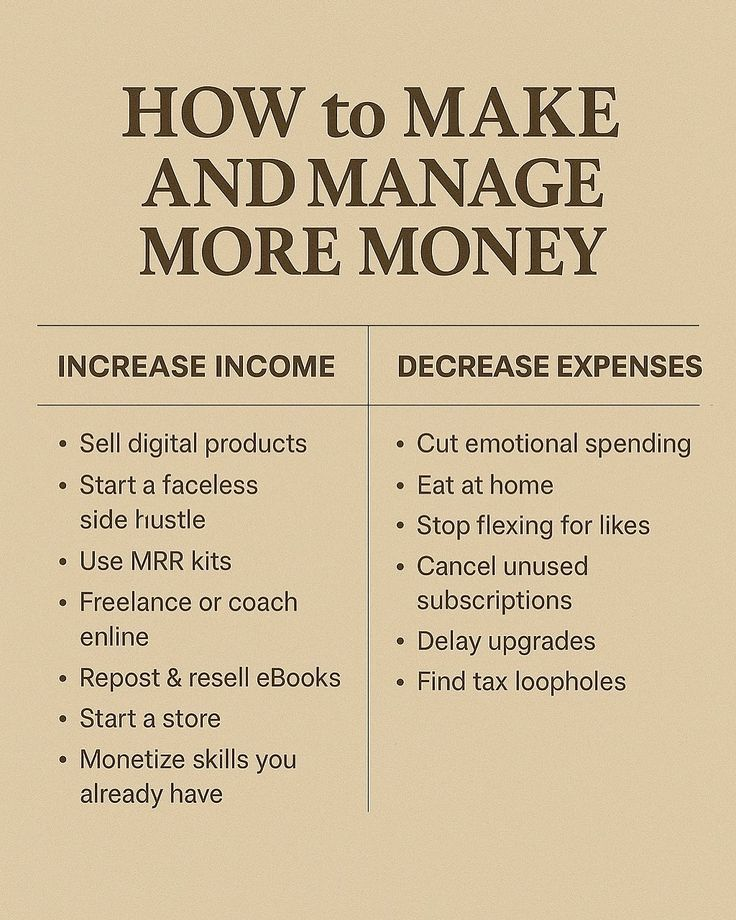
Managing money can be more challenging when your income doesn’t arrive in the same amount every month. Freelancers, independent workers, consultants, creators, and other self-employed people may have months with strong income and other months that are much quieter.
Without a regular paycheck, it becomes especially important to create a system for managing income, expenses, taxes, savings, and financial goals.
The good news is that variable income doesn’t mean your finances have to be disorganized. With a clear approach, you can create a flexible budget and make your money easier to manage.
What Does It Mean to Be Self-Employed?
A self-employed person generally earns income independently rather than receiving a traditional fixed salary from an employer.
This can include:
- Freelancers
- Consultants
- Independent contractors
- Online service providers
- Small business owners
- Creators
- Designers
- Writers
- Programmers
- Photographers
- Other independent professionals
The exact tax and legal rules depend on where you live and the type of work you do, so it’s important to understand the requirements that apply to you.
Why Managing Variable Income Is Different
Someone with a fixed salary may receive approximately the same amount each month.
A freelancer might receive:
January: $2,000
February: $1,200
March: $3,000
April: $800
This makes it difficult to create a budget based entirely on one month’s income.
Instead of assuming that every month will be a high-income month, it can be useful to build a financial system that can handle fluctuations.
Step 1: Know Your Average Income
Start by reviewing your income over several months.
For example:
| Month | Income |
|---|---|
| January | $2,000 |
| February | $1,500 |
| March | $2,500 |
| April | $1,000 |
| May | $2,000 |
| June | $1,500 |
Total income:
$10,500
Average monthly income:
$10,500 ÷ 6 = $1,750
The average doesn’t guarantee what you’ll earn next month, but it can give you a useful starting point for planning.
Step 2: Separate Business and Personal Money
If you’re self-employed, keeping business and personal finances separate can make tracking much easier.
You may consider using separate accounts for:
Business income and expenses
and
Personal spending
This can help you understand how much your work actually generates and how much you are spending on the business.
It can also make record-keeping easier.
The specific account and record-keeping requirements depend on your country and business structure.
Step 3: Calculate Your Essential Personal Expenses
Make a list of expenses you need to cover each month.
These might include:
- Housing
- Food
- Utilities
- Transportation
- Insurance
- Phone
- Internet
- Required debt payments
- Other essential expenses
Add them together.
For example:
Housing: $700
Food: $300
Transportation: $150
Utilities: $150
Phone and internet: $100
Other essentials: $100
Total: $1,500
Now you know approximately how much money you need for your basic monthly expenses.
Step 4: Build Your Budget Around a Conservative Income
One of the biggest mistakes with variable income is creating your lifestyle around your best months.
Suppose you earn:
$3,000 in one month
$2,000 in another
$1,000 in another
If your essential expenses require $1,400 every month, spending as though you will always earn $3,000 could create problems during slower periods.
Instead, consider building your regular budget around a more conservative income level.
When income is higher, the extra money can be directed toward savings, taxes, business needs, debt, or other priorities.
Step 5: Build an Income Buffer
An income buffer can help you handle slower months.
For example, suppose you normally need $1,500 per month for essential expenses.
Having additional savings available can provide more flexibility when your income temporarily drops.
You can build the buffer gradually.
You don’t need to create a large amount immediately.
Start with an achievable target and increase it over time.
Step 6: Save During Strong Months
A good month can create an opportunity to prepare for a slower one.
Imagine your normal personal budget requires $1,500, but you earn $2,500.
Instead of automatically increasing your spending by $1,000, you could direct part of the difference toward:
- Emergency savings
- Future expenses
- Taxes
- Business expenses
- Debt repayment
- Long-term financial goals
This can make future months easier to manage.
Step 7: Plan for Taxes
Self-employed income can come with tax responsibilities.
The exact rules depend on your country, income, business structure, and other circumstances.
Instead of treating taxes as an unexpected expense, research the rules that apply to you and plan for potential tax payments throughout the year.
Keeping a portion of income aside for taxes can reduce the risk of spending money that later needs to be paid to the tax authority.
If you’re unsure about your obligations, consider getting advice from a qualified tax professional in your country.
Step 8: Track Business Expenses
Keep records of money you spend to operate your work.
Depending on the type of business, expenses might include:
- Software
- Equipment
- Internet
- Advertising
- Professional services
- Office supplies
- Website costs
- Transportation
- Other business-related expenses
Keep receipts and records where appropriate.
Whether an expense is deductible for tax purposes depends on your local rules, so don’t assume every business purchase automatically qualifies.
Step 9: Create a Business Budget
Your personal budget isn’t the only budget you need.
Create a separate plan for your work.
For example:
| Business Expense | Monthly Budget |
|---|---|
| Software | $50 |
| Internet | $40 |
| Advertising | $100 |
| Equipment | $50 |
| Other expenses | $60 |
| Total | $300 |
Your actual costs will depend on your type of work.
The purpose is to know how much it costs to operate your business.
Step 10: Pay Yourself Consistently
One useful approach for some self-employed workers is to avoid treating every business payment as personal spending money.
Instead, you can establish a regular amount to transfer from business funds for personal expenses, provided it fits your circumstances and legal/business structure.
For example, if your business income varies considerably, you might maintain money in the business for taxes, operating expenses, and slower periods while transferring an appropriate amount for personal use.
The exact method depends on how your business is structured.
Step 11: Create Multiple Savings Goals
Self-employed workers may have several financial priorities at the same time.
You could create separate savings categories for:
- Emergency fund
- Taxes
- Business expenses
- Equipment
- Annual expenses
- Personal goals
- Long-term savings
Separating these goals can make it easier to understand what your money is actually available for.
Step 12: Prepare for Slow Periods
Most freelancers experience fluctuations.
Some months may bring plenty of work.
Other months may be quieter.
Don’t wait for a slow period to start thinking about it.
During stronger months, build savings that can help cover essential expenses during slower periods.
You can also use quiet periods to:
- Update your portfolio
- Improve your skills
- Contact potential clients
- Organize business records
- Review pricing
- Plan future projects
Step 13: Don’t Spend Every Good Month’s Income
A large payment can create a temptation to immediately increase your lifestyle.
For example, you might receive $4,000 from several projects and assume that you can now afford significantly higher monthly spending.
But if your income falls to $1,200 the following month, those higher expenses may become difficult to maintain.
Instead, treat unusually strong income as an opportunity to strengthen your overall financial position.
Step 14: Know Your Minimum Monthly Number
Calculate the minimum amount you need to cover essential expenses.
For example:
Housing: $700
Food: $300
Utilities: $150
Transportation: $100
Other essentials: $150
Minimum monthly expenses: $1,400
This number gives you a useful reference point.
If your income falls below it, you know that you may need to use savings, reduce flexible expenses, or find additional income.
Step 15: Create an Irregular Expense Fund
Some expenses don’t occur every month.
Examples include:
- Equipment replacement
- Annual subscriptions
- Professional fees
- Business registration
- Repairs
- Insurance renewals
- Education or training
Instead of being surprised when these expenses arrive, estimate their yearly cost.
For example, if you expect approximately $600 in annual irregular expenses:
$600 ÷ 12 = $50 per month
You could set aside approximately $50 each month toward those future expenses.
Step 16: Track Every Payment You Receive
Keep a record of income from your work.
A simple spreadsheet might include:
| Date | Client/Source | Amount | Status |
|---|---|---|---|
| Jan 5 | Project A | $500 | Paid |
| Jan 12 | Project B | $750 | Paid |
| Jan 20 | Project C | $400 | Pending |
This helps you see:
- How much you’ve earned
- What payments are still outstanding
- Which projects generate the most income
- How your income changes over time
Step 17: Keep an Eye on Outstanding Payments
One challenge for freelancers is that completing work doesn’t always mean receiving money immediately.
If a client owes you money, keep track of:
- Invoice date
- Amount
- Payment deadline
- Payment status
Follow up professionally when payments become overdue.
Good records can make this process much easier.
Step 18: Review Your Pricing
If you’re consistently working long hours but your income isn’t covering your expenses and goals, your pricing may need to be reviewed.
Consider:
- How much time projects require
- Business expenses
- Taxes
- Your experience
- The value of the service
- Demand for your work
- Your financial goals
Avoid setting prices based solely on what someone else charges.
Your business has its own costs and circumstances.
Step 19: Build an Emergency Fund
An emergency fund can be particularly useful when income is unpredictable.
It can provide additional flexibility when unexpected expenses occur or work becomes temporarily unavailable.
Start with an amount that is realistic for you.
As your income becomes more stable, you can gradually increase the amount.
Step 20: Review Your Finances Every Week
A weekly financial review can help you stay organized.
Check:
- Income received
- Outstanding payments
- Business expenses
- Personal spending
- Upcoming bills
- Savings
- Tax savings
- Financial goals
A short review each week can prevent small issues from becoming larger problems.
Example of a Variable-Income Budget
Imagine a freelancer earns approximately $2,500 in a particular month.
They might organize their money like this:
Business expenses: $300
Tax reserve: $400
Personal essentials: $1,300
Savings: $300
Remaining flexible amount: $200
These numbers are only an example and shouldn’t be treated as a universal formula.
The correct amounts depend on income, expenses, taxes, location, and individual circumstances.
What to Do During a Low-Income Month
If income is lower than expected, don’t panic.
Start by prioritizing essential expenses.
Review:
- Housing
- Food
- Utilities
- Transportation
- Required payments
- Other essential costs
Then temporarily reduce flexible spending where possible.
Avoid making major financial decisions based on one difficult month.
Look at your overall financial position and determine whether the situation is temporary or becoming a pattern.
Common Money Mistakes for Freelancers
Spending Based on Your Best Month
A high-income month doesn’t guarantee high income every month.
Mixing Business and Personal Spending
This can make financial tracking more difficult.
Forgetting About Taxes
Tax obligations can create a major unexpected expense if you haven’t planned for them.
Not Tracking Expenses
Small business expenses can add up.
Having No Savings Buffer
Variable income makes having savings especially useful.
Accepting Every Project
Not every project is necessarily worthwhile if it consumes significant time without providing enough value.
Ignoring Slow Periods
Preparing during good months can make slower periods easier to handle.
A Simple Self-Employed Money Checklist
Each week, ask yourself:
- How much money came in?
- Which payments are still outstanding?
- What business expenses did I have?
- What personal expenses did I have?
- How much should I set aside for taxes?
- How much can I save?
- What bills are coming up?
- Are my financial goals still on track?
- Do I need to adjust next week’s spending?
This simple checklist can help keep your finances organized even when your income changes.
Leave a Reply