
Managing money effectively has become more important than ever. With rising inflation, increasing utility costs, and changing economic conditions, many Pakistanis struggle to keep their finances under control. A monthly budget helps you understand where your money goes and ensures that your income is used wisely.
Whether you are a student, salaried employee, freelancer, or business owner, creating a budget can help you reduce financial stress and achieve your money goals.
What Is a Monthly Budget?
A monthly budget is a financial plan that outlines your income and expenses for a specific month. It helps you allocate money for necessities, savings, investments, and personal spending.
A budget serves as a roadmap for your finances, helping you avoid overspending and prepare for unexpected expenses.
Why Budgeting Is Important in Pakistan
Budgeting is essential for several reasons:
Helps Manage Rising Costs
Inflation affects the prices of food, fuel, transportation, and utilities. A budget allows you to adjust your spending and stay financially stable.
Encourages Saving
Without a budget, it is easy to spend all your income. Budgeting ensures that a portion of your earnings goes toward savings.
Reduces Debt
Many people rely on credit cards or loans when they run out of money. A budget helps prevent unnecessary borrowing.
Supports Financial Goals
Whether you want to buy a house, start a business, or build an emergency fund, budgeting helps you work toward your objectives.
How to Create a Monthly Budget
Step 1: Calculate Your Total Monthly Income
Start by adding all sources of income, including:
- Salary
- Freelance earnings
- Business income
- Rental income
- Side hustles
For example:
Monthly Salary: PKR 120,000
Total Monthly Income: PKR 120,000
Step 2: List All Monthly Expenses
Divide expenses into categories.
Fixed Expenses
These remain relatively constant each month.
- Rent
- School fees
- Internet bills
- Loan payments
Variable Expenses
These may change monthly.
- Groceries
- Transportation
- Entertainment
- Dining out
Step 3: Track Every Expense
Record every rupee you spend. You can use:
- A notebook
- Microsoft Excel
- Google Sheets
- Budgeting apps
Tracking expenses helps identify areas where you can cut costs.
Step 4: Set Financial Goals
Examples include:
- Building an emergency fund
- Paying off debt
- Saving for a car
- Investing in mutual funds
Your budget should support these goals.
Step 5: Review and Adjust Monthly
A budget is not permanent. Review it regularly and make adjustments based on changes in income or expenses.
The 50/30/20 Budget Rule
A popular budgeting method is the 50/30/20 rule.
50% for Needs
Essential expenses such as:
- Rent
- Utilities
- Groceries
- Transportation
30% for Wants
Non-essential spending such as:
- Entertainment
- Dining out
- Shopping
- Subscriptions
20% for Savings and Investments
This portion can be used for:
- Emergency funds
- Investments
- Retirement planning
- Debt repayment
If your living expenses are high, you can modify the percentages to fit your situation.
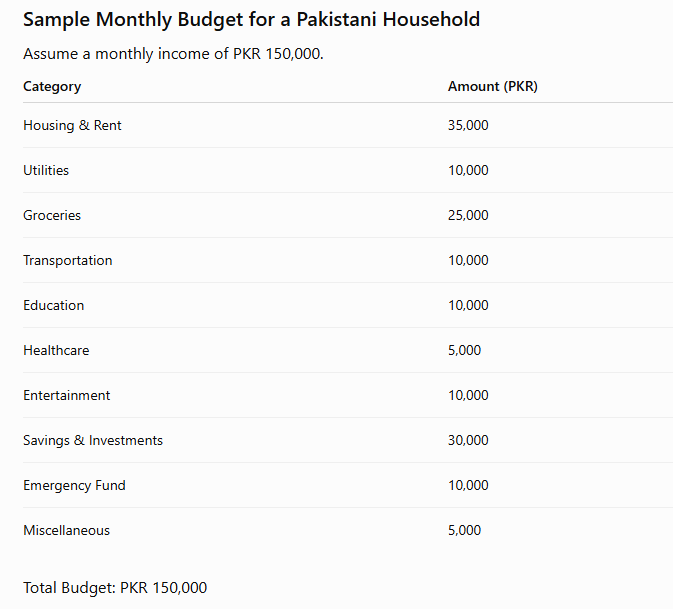
This is only an example and should be customized according to your circumstances.
Common Budgeting Mistakes
Not Tracking Small Expenses
Small daily purchases can add up significantly over time.
Ignoring Emergency Savings
Unexpected expenses can disrupt your finances if you do not have a safety net.
Setting Unrealistic Goals
An overly restrictive budget can be difficult to maintain.
Failing to Review Your Budget
Financial situations change. Regular reviews keep your budget effective.
Tips to Stick to Your Budget
Automate Savings
Transfer money to your savings account immediately after receiving income.
Avoid Impulse Purchases
Wait 24 hours before making non-essential purchases.
Use Cash for Discretionary Spending
Cash spending can help control overspending.
Monitor Your Progress
Review your spending weekly to stay on track.
Budgeting Apps and Tools
Several tools can help you manage your budget effectively:
- Google Sheets
- Microsoft Excel
- Notion
- Money Manager Apps
- Banking Mobile Applications
Choose the option that best fits your needs and preferences.
Conclusion
Creating a monthly budget is one of the most effective ways to improve your financial health. By tracking income, managing expenses, and prioritizing savings, you can gain better control over your money and work toward your financial goals.
The key to successful budgeting is consistency. Start small, review your budget regularly, and make adjustments when necessary. Over time, budgeting can help you build financial security and reduce money-related stress.